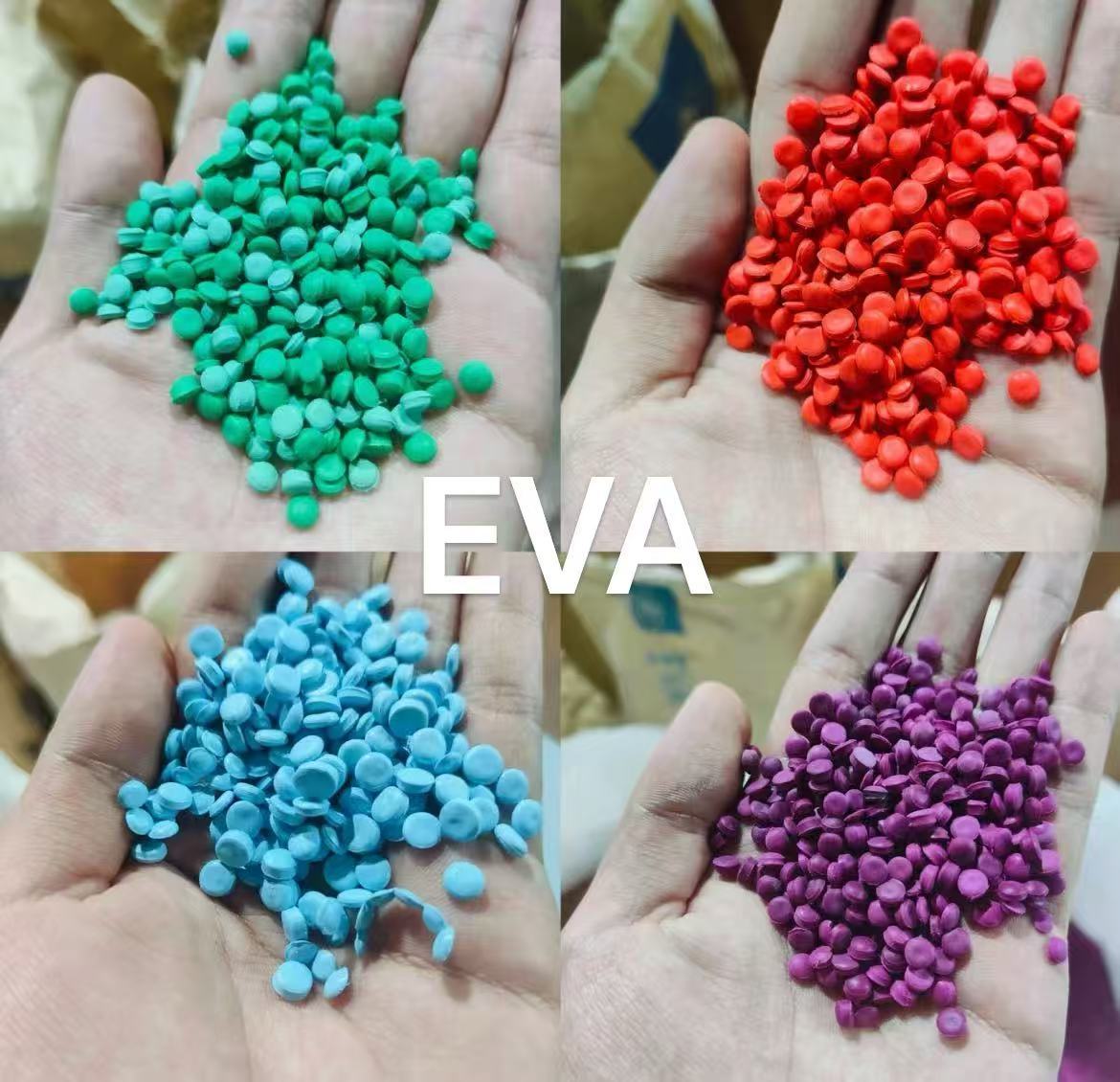
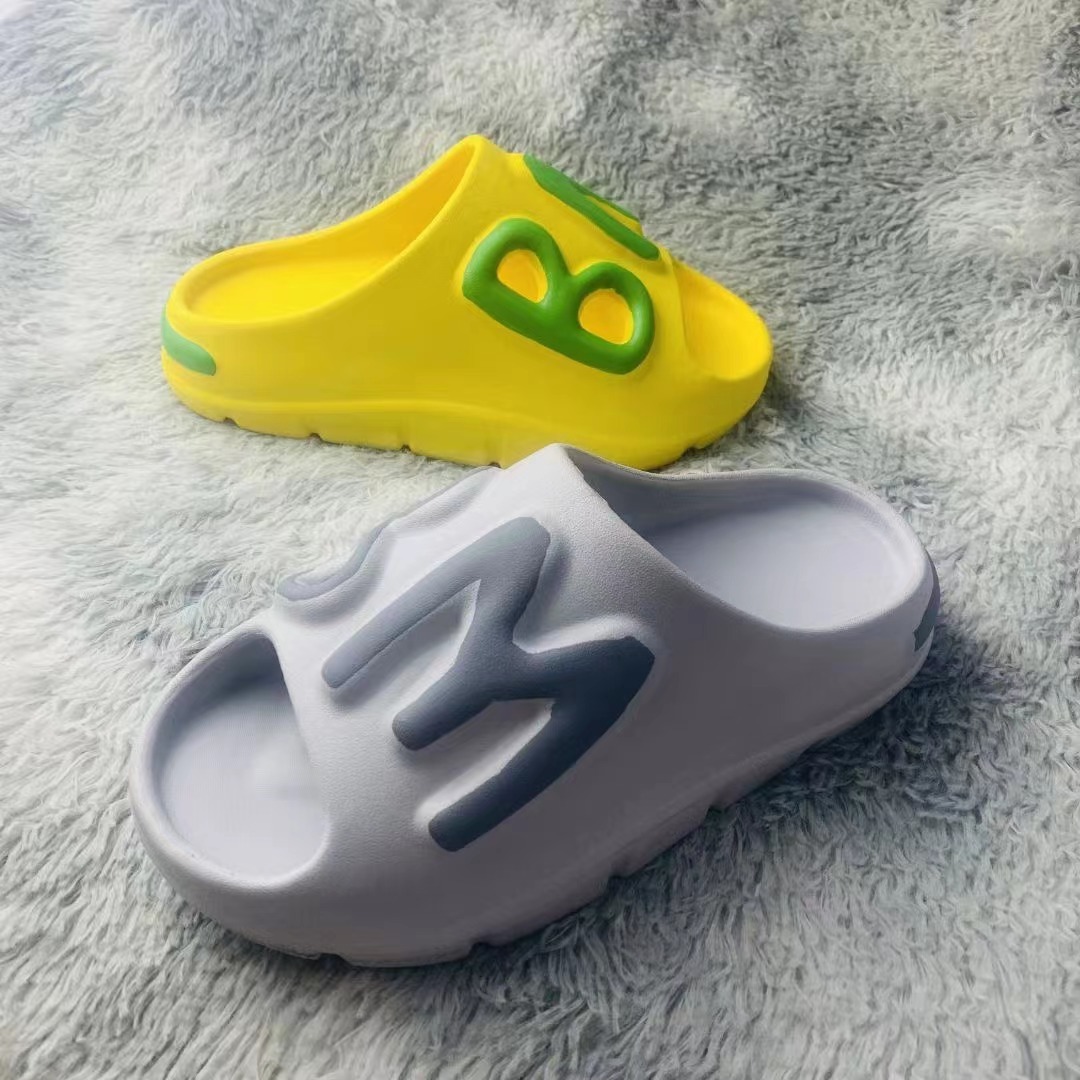
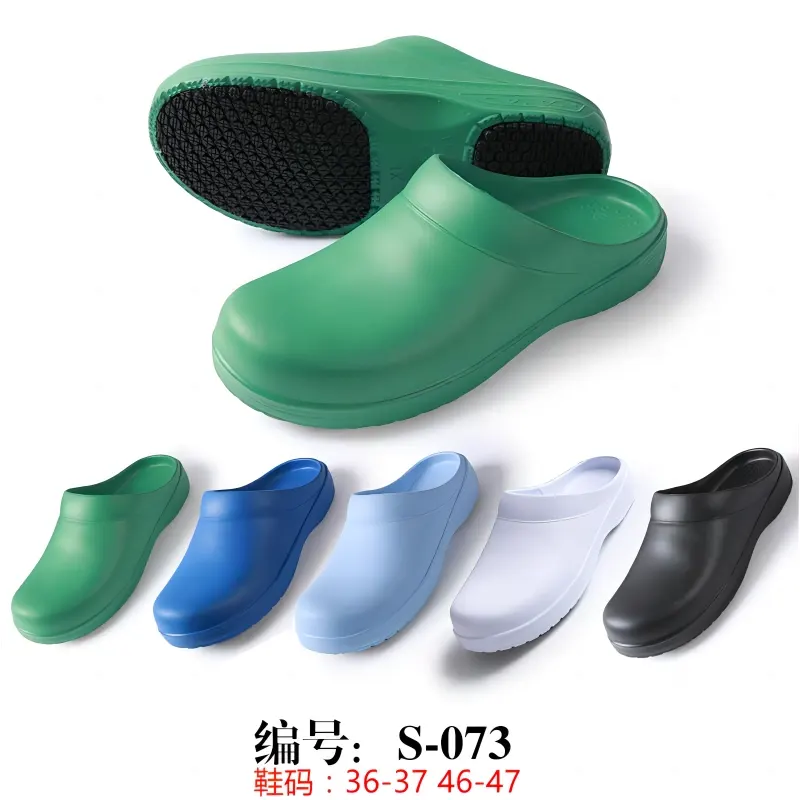
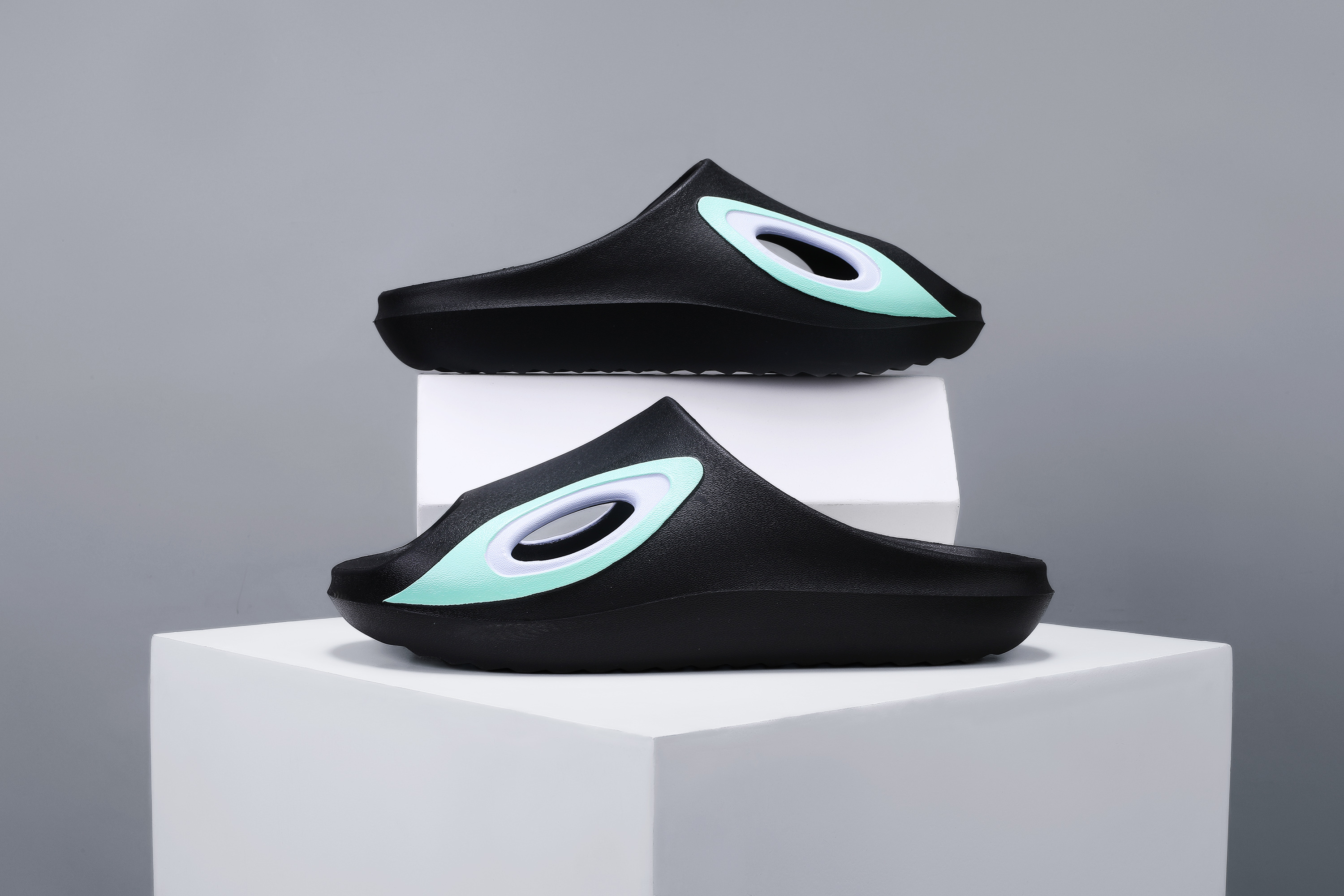
Comfort, durability, and practicality have become essential standards in today’s footwear industry, and material selection plays a decisive role in meeting these expectations. EVA material has emerged as one of the most widely used raw materials in shoe manufacturing due to its balanced performance and versatility.
EVA is the abbreviation for Ethylene Vinyl Acetate, a copolymer made from ethylene and vinyl acetate. This material combines characteristics of both plastic and rubber, allowing manufacturers to achieve an effective balance between flexibility, elasticity, and structural stability. These properties make EVA particularly suitable for shoe soles and one-piece molded footwear.
One of the most important factors influencing EVA performance is the vinyl acetate (VA) content. Different VA ratios directly affect the softness, resilience, and flexibility of the material. In footwear production, EVA formulations are commonly adjusted to provide moderate softness and reliable rebound, helping reduce foot fatigue during prolonged walking or standing.
From a functional perspective, EVA offers several advantages for shoe applications. Its lightweight structure helps reduce overall shoe weight, while its cushioning properties assist in absorbing impact and distributing pressure across the foot. EVA is also resistant to moisture absorption, making it suitable for various daily and work environments. When processed with appropriate techniques, the material maintains good shape stability and durability during regular use.
In practical manufacturing, EVA is widely applied in slippers, casual shoes, and professional footwear such as nurse shoes and chef shoes. Through formulation adjustments and process optimization, manufacturers can tailor EVA-based products to meet different market requirements, from everyday comfort to functional work performance.
In terms of safety and environmental considerations, high-quality EVA materials typically have low odor and meet basic international safety standards for footwear. Thanks to its reliable performance and broad applicability, EVA continues to support the development of more comfortable, functional, and market-ready footwear products worldwide.