As temperatures soar in the summer, many people find their feet sweating more than usual, leading to discomfort, odor, and even skin irritation. But the real issue may not be how much your feet sweat—it could be that you're wearing the wrong shoes.
The foot has one of the highest concentrations of sweat glands on the body, capable of producing around 200ml of sweat a day—sometimes more in extreme heat. If shoes can't manage that moisture properly, problems like overheating, slipperiness, and bacterial growth become unavoidable.
In the past, most people believed that shoes with breathable mesh were the best choice for summer. But many now realize that breathability alone isn't enough. Instead, the ideal summer shoe must offer moisture-wicking, quick-drying, anti-odor, and anti-slip features all in one.
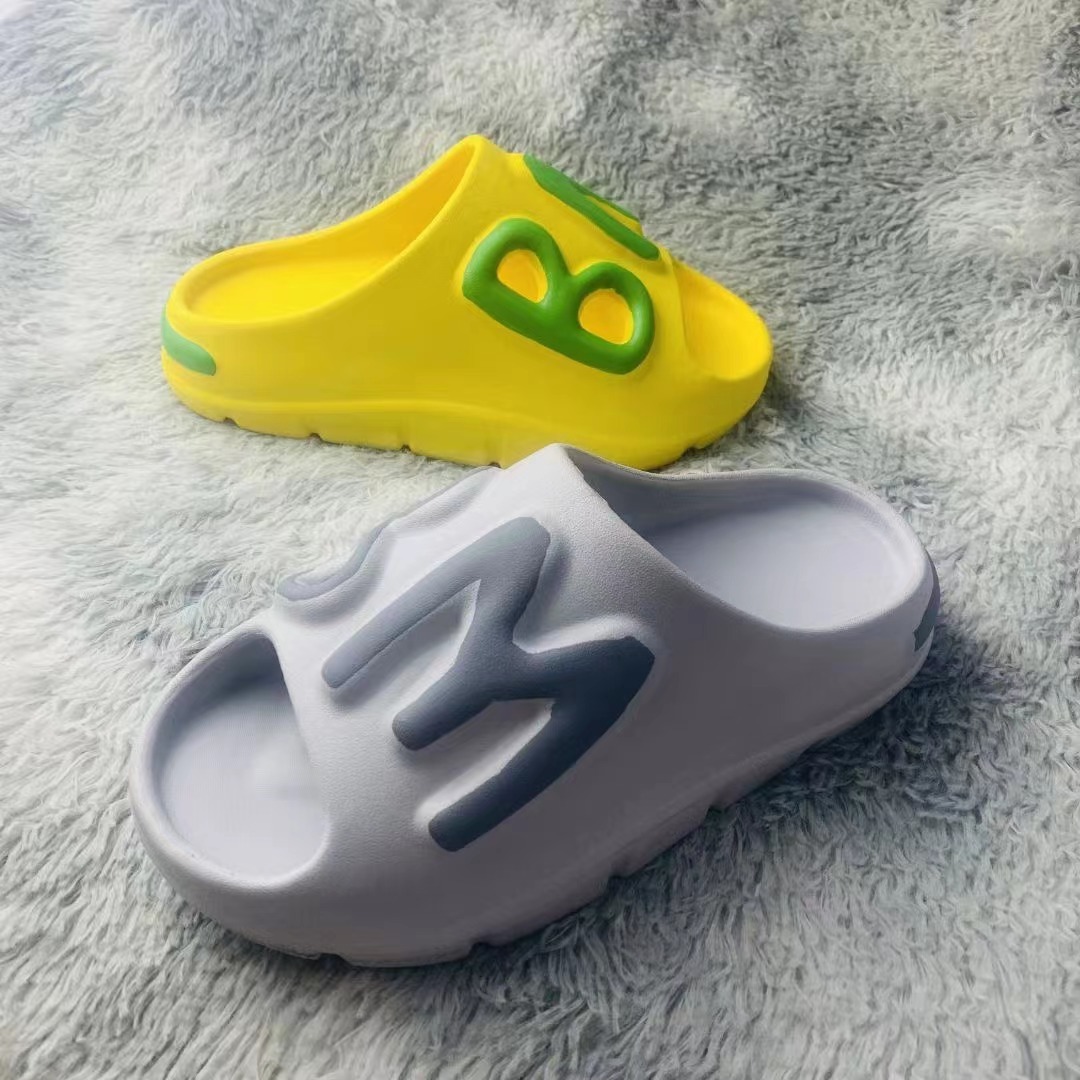
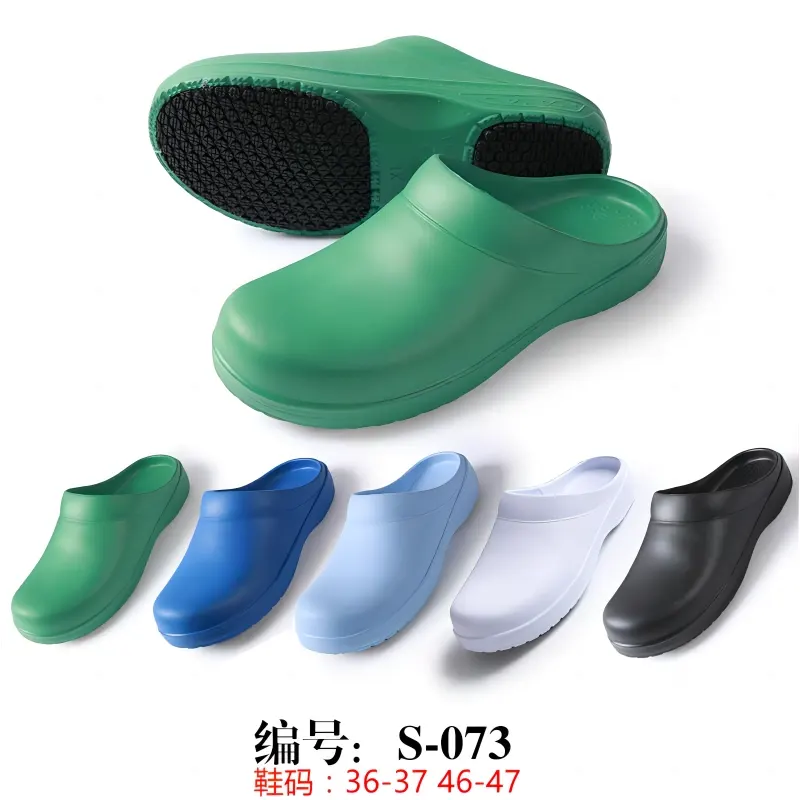
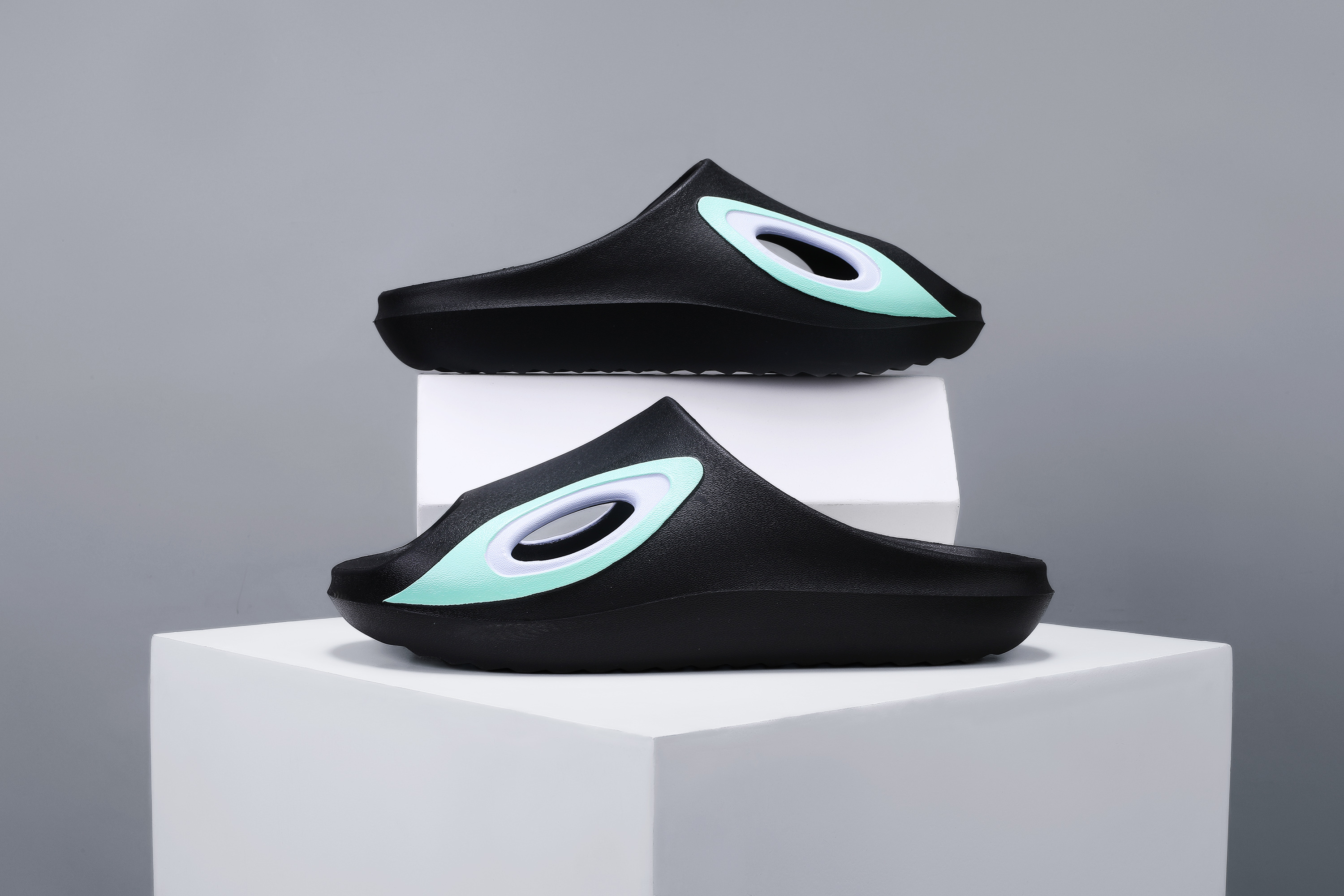
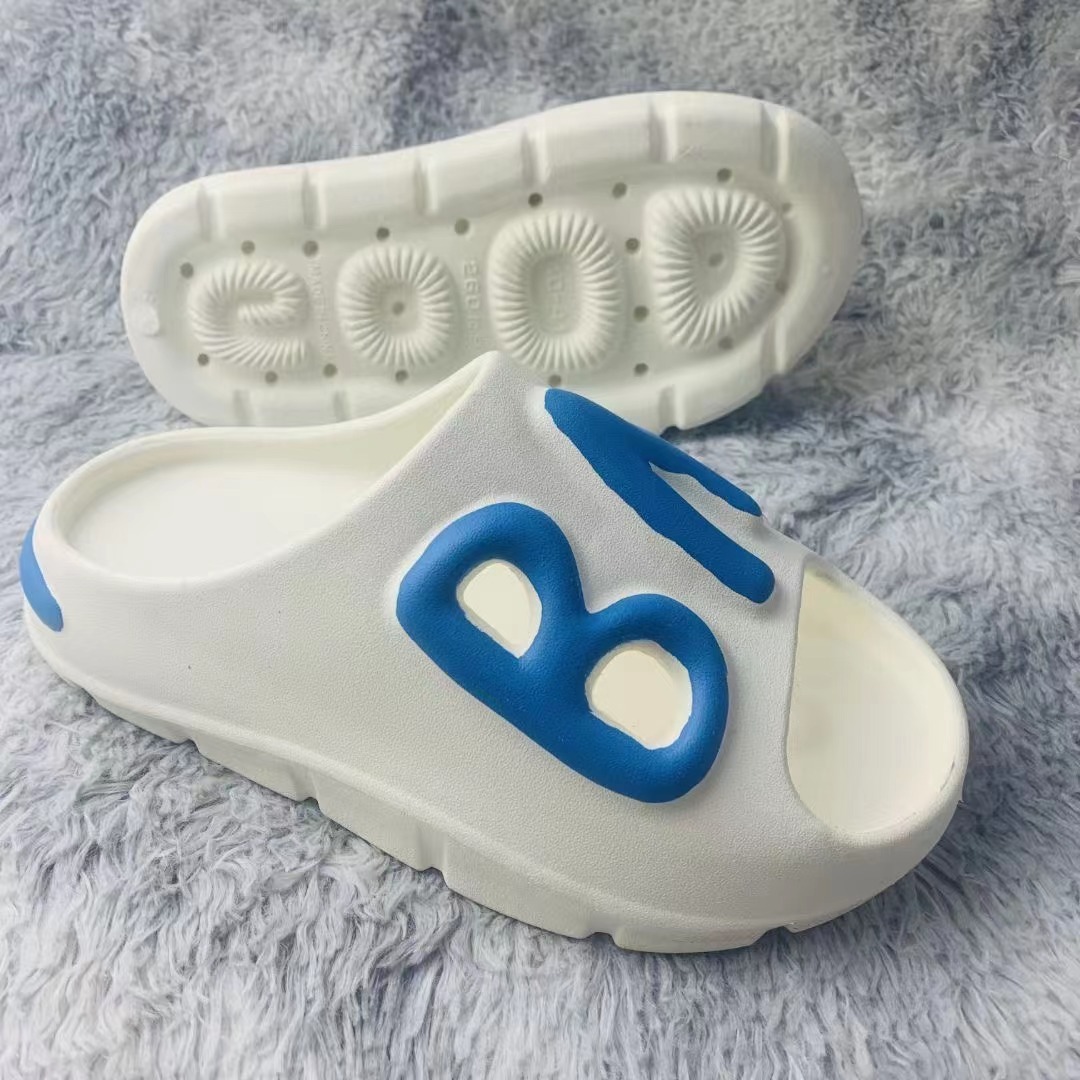
Take EVA (ethylene-vinyl acetate) as an example. Once mainly used in the soles, this material is now widely applied across entire shoe designs for its lightweight, waterproof, and antimicrobial properties. EVA shoes, especially one-piece molded styles, eliminate seams where dirt and bacteria can build up. They're also soft and supportive, making them ideal for everyday wear. In contrast, traditional rubber soles or leather linings often trap heat and moisture.
Insole and lining materials also play a crucial role. Quick-dry fabrics and antibacterial footbeds are becoming more common, helping to absorb sweat and evaporate it faster. Some functional shoes even feature removable, washable insoles designed specifically for summer wear.
Shoe structure is evolving, too. Design priorities have shifted to emphasize foot-hugging fits, reduced friction, and solid support. In hot weather, feet tend to swell, so shoes that are too tight or lack proper structure can cause pain, blisters, or poor posture.
Experts suggest that summer footwear should be chosen based on the following factors:
Moisture-wicking and fast-drying materials
Lightweight and slip-resistant outsoles for wet urban surfaces
One-piece or seamless designs for easy cleaning
Anti-odor and antimicrobial properties
A secure, ergonomic fit rather than loose comfort alone
"Wearing less doesn’t mean wearing right." In hot weather, the right pair of shoes acts like “air conditioning for your feet.” Choosing shoes is no longer just about staying cool—it’s about finding the right function, support, and comfort.
As consumers become more willing to pay for comfort, brands are shifting toward better materials and smarter design. Hot weather isn't just influencing shopping habits—it's pushing the entire footwear industry toward a new standard of performance and innovation.