
Eco-Friendly EVA Shoes Lead the Charge in Sustainable Fashion
Aug 30,2025
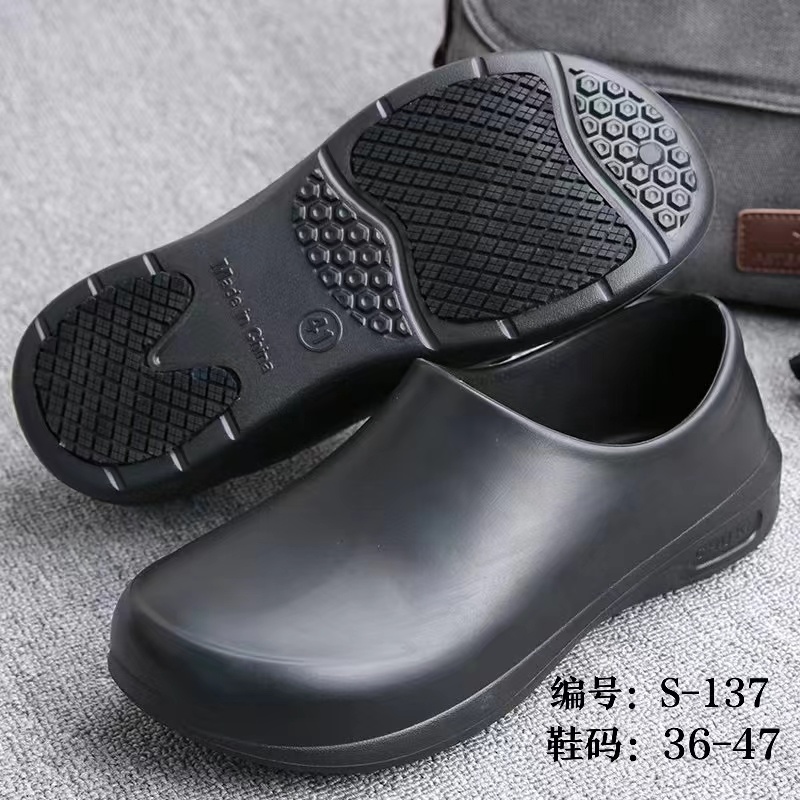
As the global fashion industry shifts toward greener practices, EVA footwear has quickly risen to prominence, celebrated for its lightweight comfort, functional performance, and eco-conscious design. In recent years, consumer priorities have evolved from style-first to a balanced focus on health, comfort, and sustainability, positioning EVA shoes at the forefront of this movement.
EVA, or Ethylene-Vinyl Acetate, is known for being exceptionally light, flexible, and resilient—qualities that make it ideal for footwear. Compared to traditional rubber, EVA soles are significantly lighter, enhancing the overall wearing experience, while also enabling more energy-efficient and lower-emission manufacturing processes. Some innovative brands are even introducing bio-based EVA made from renewable resources, reducing reliance on petrochemical materials at the source.
Industry reports indicate that the global EVA footwear market exceeded $10 billion in 2024 and is projected to maintain a steady compound annual growth rate of 6%–8% through 2028. Demand is particularly strong in North America, Europe, and East Asia, with younger consumers increasingly willing to pay a premium for shoes that combine sustainability, comfort, and style. Meanwhile, environmental awareness campaigns and social media advocacy continue to amplify EVA footwear’s appeal.
On the production side, technological advancements are driving the next stage of growth. Smart manufacturing systems, digital design platforms, and 3D printing have accelerated product innovation, enabling brands to reduce material waste and optimize small-batch customization. Moreover, several companies have introduced recycling programs, inviting consumers to return used shoes for processing into new materials or regenerated products.
The rise of EVA footwear signifies more than an upgrade in comfort; it reflects a broader shift in how the footwear industry defines value—moving beyond aesthetics to embrace sustainability and innovation. As eco-conscious lifestyles gain momentum worldwide, EVA shoes are poised to become a key growth engine in the years ahead, paving the way for a more responsible and forward-thinking footwear market.
Keyword:
Latest News

Contact Us
Tel: +86-595-87327308
Phone/Wechat/WhatsApp: +86-13860772709
E-mail: cathy@qzbmshoes.com
Address:
#1 Building, No.511th Dai Shang, Lian Dai Village, BaiQi Hui Township, Taiwan Investment Zone, Quanzhou City, FuJian Province, China
Follow Us on


