Long shifts and constant movement are part of daily life for healthcare professionals. Nurses, doctors, and medical staff often spend many hours walking through hospital corridors, standing beside patients, and responding quickly to urgent situations. Because of this demanding environment, the importance of proper medical footwear has gained increasing attention in recent years.
Foot fatigue is one of the most common complaints among healthcare workers. Hard hospital floors combined with long working hours can place continuous pressure on the feet, ankles, and lower back. Without proper support, this strain may lead to discomfort, reduced concentration, and even long-term musculoskeletal problems. As a result, many hospitals and clinics now recognize that well-designed medical shoes are not just a matter of comfort but also an essential part of workplace well-being.
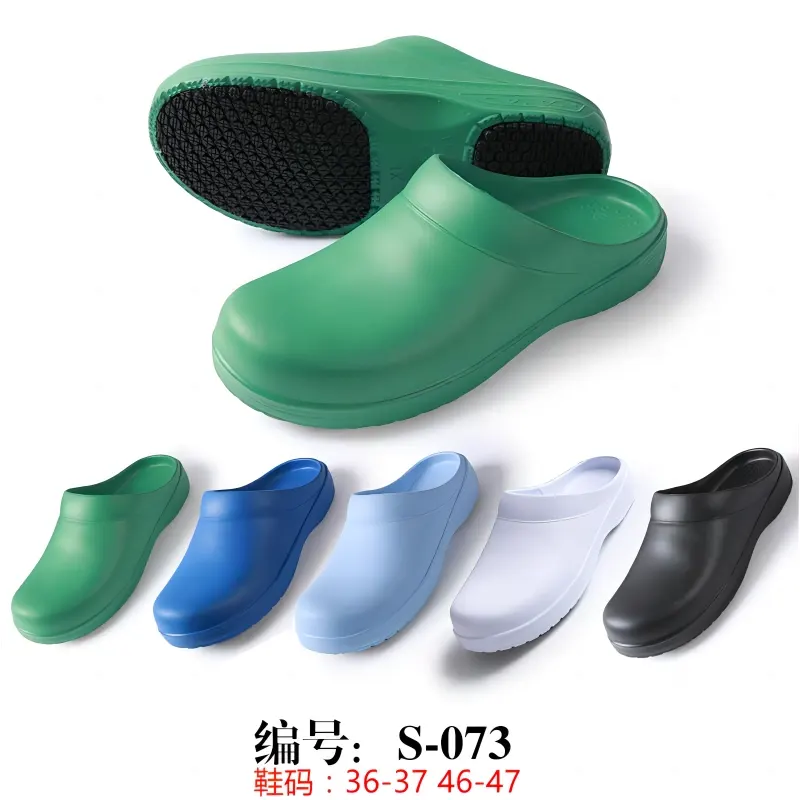
Modern medical shoes are designed specifically for the needs of healthcare environments. Lightweight materials help reduce the burden on the feet during long shifts, while cushioned midsoles absorb shock from constant walking and standing. These features help distribute pressure more evenly across the foot, which can significantly reduce fatigue over time.
Another key feature of medical footwear is slip resistance. Hospitals and clinics frequently deal with wet floors, disinfectants, and spills. Shoes with anti-slip outsoles can improve stability and help reduce the risk of workplace accidents. For healthcare professionals who must move quickly between departments or patient rooms, reliable traction is especially important.
Breathability is also a major factor in footwear comfort. Healthcare workers often spend an entire shift wearing the same pair of shoes, which can lead to heat and moisture buildup. Many modern medical shoes incorporate breathable uppers and moisture-friendly materials that help keep feet dry and comfortable throughout the day.
In addition to comfort and safety, durability is another essential quality. Medical environments require shoes that can withstand daily wear, frequent cleaning, and exposure to various liquids. High-quality materials ensure that footwear maintains its shape and performance even after extended use.
As healthcare systems continue to focus on employee well-being and workplace safety, the demand for specialized medical footwear is steadily growing. Properly designed medical shoes not only support the physical needs of healthcare professionals but also help them stay comfortable and focused during demanding workdays.
For those working tirelessly to care for others, the right pair of medical shoes can make a meaningful difference—providing the comfort and support needed to keep moving, step after step.