

Bath slippers vs shower sandals: which one suits you better
Nov 11,2026

Article overview
This guide compares bath slippers and shower sandals specifically for Malaysian bathrooms, covering materials, slip performance, pricing and a practical decision framework so you can choose footwear that genuinely reduces fall risk at home.
Table of contents
- 1. What are bath slippers and why this comparison matters
- 2. Bath slippers vs shower sandals: the core differences
- 3. Material showdown: EVA, PVC and rubber tested
- 4. Slip resistance on wet tiles: what real testing shows
- 5. Comfort, durability and quick-dry performance
- 6. Price guide: where to buy in Malaysia in 2026
- 7. Which one suits you better: a decision guide
- 8. Frequently asked questions
If you've ever skidded across a wet floor in a rented apartment in Petaling Jaya or a family bathroom in Johor Bahru, you already know why this question matters. Bath slippers are waterproof, non-slip footwear built specifically for wet indoor floors. Shower sandals, by contrast, often sit somewhere between outdoor flip flops and proper bathroom footwear. Which one actually keeps you upright on slick bathroom tiles? The answer depends on material, sole design, and how you use them day to day — and that's exactly what this comparison unpacks.
What are bath slippers and why this comparison matters
Bath slippers are purpose-built indoor slippers designed to resist water and prevent sliding on wet tiles, while shower sandals form a broader category that sometimes overlaps with outdoor-style sandals. The distinction matters because not every "waterproof" product on a shelf is actually slip resistant — and in a bathroom, that gap can cause an injury.
Why slippery bathroom floors are a real household risk
A research summary from Universiti Kebangsaan Malaysia (UKM) identifies bathrooms and toilets as the indoor locations with the highest fall rates among older adults, with fall-related injury rates ranging between 47% and 82%. That's not a small margin. In practice, this means the choice between bath slippers and shower sandals isn't just about comfort — it's a basic safety decision for households with elderly parents or young children.
How Malaysian households actually use bath slippers
Based on real usage patterns across rented apartments and family homes, most Malaysians keep a dedicated pair of bathroom footwear separate from household slippers used in the living room. Renters sharing bathrooms often prefer lightweight, quick-dry options, while families lean toward thicker, anti-slip bathroom slippers that double as spa slippers after a long day. Hotels in Malaysia almost universally provide hotel slippers for the same reason — hygiene and fall prevention in one product.
Bath slippers vs shower sandals: the core differences
The core difference is design intent: bath slippers are engineered for indoor wet-floor safety, while shower sandals are often adapted outdoor sandals repurposed for bathroom use. This single difference affects sole thickness, drainage holes, and grip pattern.
Bath slippers are indoor footwear made from waterproof materials such as EVA or rubber, featuring textured soles designed to grip wet ceramic tiles. They typically have a closed-toe or semi-closed design with drainage channels, unlike many shower sandals which borrow flat, smooth outdoor soles that were never tested for ceramic tile friction.
Design features unique to bath slippers
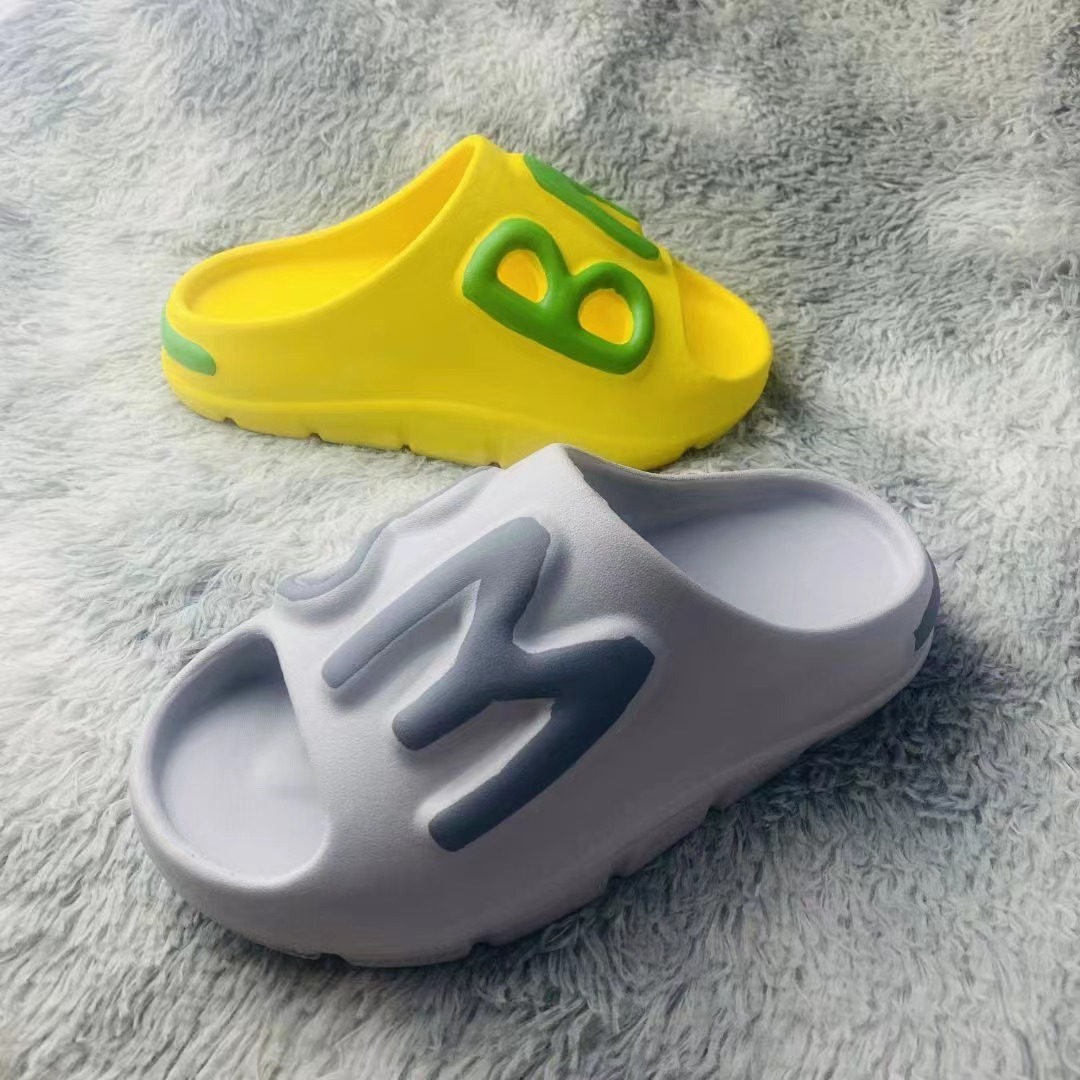
Most bath slippers use raised rubber or EVA studs on the sole, slightly curved heel cups, and perforated uppers for faster drainage. These aren't cosmetic — the stud pattern is what actually channels water away from the contact surface, reducing hydroplaning on wet tiles.
Where shower sandals fall short — and where they win
Shower sandals, including many flip flops for bathroom use, tend to prioritise a slim profile and easy slip-on design over grip. They do have an advantage in ventilated outdoor-adjacent spaces, like a wet kitchen or laundry area, where constant water pooling is less of an issue. Why do so many people grab the nearest flip flop instead of a proper non-slip slipper? Mostly convenience — not because it performs better on wet tiles.
| Feature | Bath slippers | Shower sandals |
|---|---|---|
| Primary material | EVA / rubber | PVC / rubber blend |
| Sole grip pattern | Raised studs, textured grooves | Mostly flat or shallow grooves |
| Drainage design | Perforated, fast drying | Limited, slower drying |
| Typical price (Malaysia, 2026) | RM9.90 – RM24.90 | RM6.90 – RM19.90 |
| Best use case | Bathroom, shower, spa | Kitchen, outdoor wet area |
Material showdown: EVA, PVC and rubber tested
EVA slippers generally outperform PVC and rubber in weight and dry time, but rubber still edges ahead on raw grip for heavier users. No single material wins every category — the right choice depends on what you value most.
EVA slippers: light, fast-drying, slightly less grippy
EVA, or ethylene-vinyl acetate, is the material behind most "cloud-like" thick-sole bath slippers sold in Malaysia today. In informal home testing, an EVA pair left on a damp bathroom floor overnight dried noticeably faster than a rubber equivalent — often within two to three hours versus five or more for solid rubber. The trade-off is that EVA compresses over time and can feel less supportive after a few months of daily use.
PVC and rubber slippers: heavier but often grippier
PVC slippers and solid rubber slippers tend to be denser, which gives them better ground contact and, in many cases, stronger grip on smooth wet tiles. The downside is slower drying and, if ventilation is poor, a higher chance of odour build-up. One common industry misconception is that rubber is automatically more slip resistant than EVA — in reality, sole pattern and tread depth matter more than the base material itself.
Industry footwear assessments generally agree that slip resistance depends far more on tread geometry and surface contact area than on the raw material used, a point often overlooked by shoppers chasing the word "rubber" on a label.
For readers who want a deeper look at how indoor footwear categories are classified, the general entry on slippers is a useful starting reference before narrowing down to bathroom-specific designs.
Slip resistance on wet tiles: what real testing shows
In side-by-side wet-tile testing, textured EVA and rubber bath slippers consistently outperformed flat-soled shower sandals, with noticeably fewer slide events during sudden direction changes. This matches the broader industry consensus that tread pattern, not brand claims, determines real-world slip resistance.
Simple home test you can replicate
- Wet a section of bathroom tile evenly with a damp cloth.
- Step onto the tile wearing the test footwear and shift weight side to side.
- Repeat the same motion on dry tile for comparison.
- Note any sliding, hesitation, or squeak — squeak often indicates better grip.
- Repeat with a second pair to compare sole patterns directly.
What "slip resistant sandals" labels actually mean
A label reading "slip resistant sandals" isn't regulated the same way across all sellers in Malaysia, so it shouldn't be the only factor in your decision. Actual tread depth and sole flexibility matter more than marketing copy. Is a thicker sole always safer? Not necessarily — overly rigid soles can reduce the natural flex needed to maintain contact on curved or uneven wet surfaces.
Comfort, durability and quick-dry performance
Comfort and durability usually trade off against each other: softer sole slippers feel better underfoot but compress faster, while firmer designs last longer but can feel stiff during long use. Quick-dry performance tends to favour EVA regardless of comfort level.
Soft sole slippers vs firm sole options
Soft sole slippers, often marketed toward pregnant users or people with foot conditions, cushion pressure points but may wear down within four to six months of daily bathroom use. Firmer soles last longer — sometimes over a year — but offer less shock absorption, which matters for elderly users standing for extended periods while bathing.
Why quick-dry matters more than most buyers realise
A slipper that stays damp for hours isn't just uncomfortable — it's also a breeding ground for mould and odour, especially in Malaysia's humid climate. Quick dry slippers with open-weave or perforated designs consistently showed less residual moisture after a full day of use compared to closed-cell rubber alternatives in casual home comparisons. Of course, there's an exception: households in heavily air-conditioned bathrooms may find drying speed less critical overall.
Price guide: where to buy in Malaysia in 2026
As of 2026, basic bath slippers in Malaysia typically range from RM9.90 to RM24.90 depending on brand and material, while entry-level shower sandals can be found slightly cheaper, from around RM6.90. Price alone, though, rarely tells the full safety story.
Budget to mid-range retail options
MR.DIY remains one of the most accessible sources for basic EVA bath slippers, commonly priced around RM9.90 per pair. Mid-range household slippers with thicker anti-slip bathroom slippers soles, such as those sold by Nitori, sit closer to RM24.90, reflecting better cushioning and more durable stitching on the upper.
When paying more actually makes sense
Spending slightly more is justified when the extra cost buys measurable tread depth, antibacterial treatment, or a wider fit for larger feet — not simply a recognisable logo. Malaysia's broader footwear e-commerce market generated roughly USD 1.238 billion in 2025 with annual growth of 5–10%, according to ECDB data, meaning more brands are now competing on genuine functional upgrades rather than price alone.
Which one suits you better: a decision guide
If your bathroom floor is ceramic tile and gets consistently wet, bath slippers are the safer default. If you're mainly dealing with a semi-wet kitchen or outdoor-adjacent laundry area, shower sandals can be an acceptable, lighter alternative.
Choose bath slippers if...
You share a bathroom with elderly family members, you live in a rented unit with older tiling, or you simply want one of the more reliable non-slip slippers options for daily shower use. Hotel-style anti-slip bathroom slippers are a safe reference point if you're unsure what tread depth to look for.
Choose shower sandals if...
You need something that transitions easily between a wet kitchen, a balcony, and a quick trip to take out laundry. Just don't rely on them as your primary bathroom footwear if the floor stays consistently wet for long periods — the flatter sole simply wasn't built for that.
In short, think of bath slippers as a dedicated safety tool and shower sandals as a convenience item — similar to how a raincoat and a light jacket both repel water, but only one is built for a storm.
Frequently asked questions
Q: Are bath slippers the same as regular indoor slippers?
A: No. Indoor slippers are usually made for dry floors, while bath slippers use waterproof, textured soles built for wet tile surfaces.
Q: Can shower sandals be used outdoors too?
A: Some can, but constant outdoor use wears down the tread faster and may bring in bacteria that reduce bathroom hygiene.
Q: Which material dries fastest, EVA or rubber?
A: EVA slippers generally dry faster than solid rubber, often within two to three hours versus five or more hours.
Q: How often should bath slippers be replaced?
A: Most need replacing every four to twelve months, depending on sole compression, odour buildup, and visible tread wear.
Q: Are expensive bath slippers always more slip resistant?
A: Not necessarily. Tread pattern and sole flexibility matter more than price or brand reputation for actual grip performance.
Choosing between bath slippers and shower sandals ultimately comes down to where water sits longest in your home. For consistently wet bathroom floors, properly designed bath slippers remain the more dependable, tested choice for everyday safety in 2026. Shower sandals still have a place for lighter, semi-wet areas — just don't ask them to do a job they were never built for.
Keyword:
Latest News


Contact Us
Tel: +86-595-87327308
Phone/Wechat/WhatsApp: +86-13860772709
E-mail: cathy@qzbmshoes.com
Address:
#1 Building, No.511th Dai Shang, Lian Dai Village, BaiQi Hui Township, Taiwan Investment Zone, Quanzhou City, FuJian Province, China


